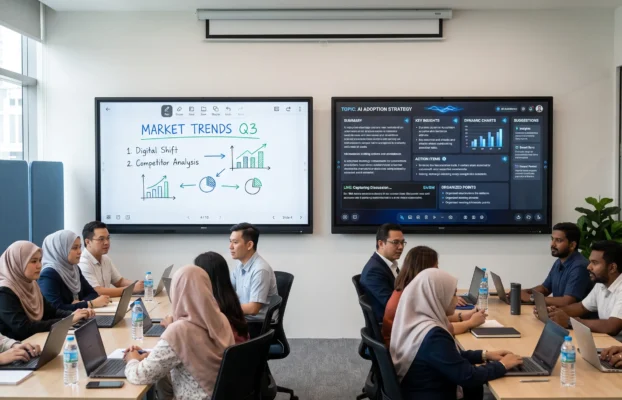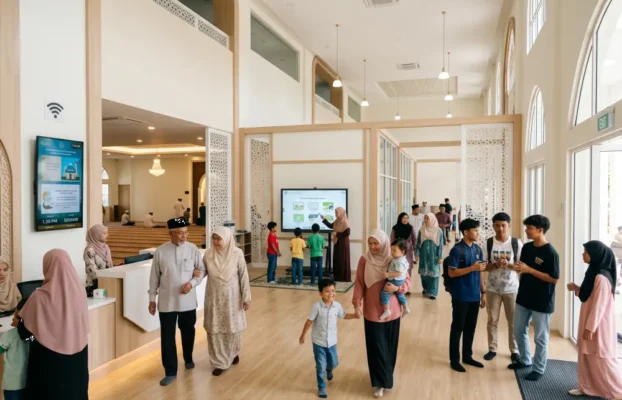
Malaysian universities are under increasing pressure to deliver educational experiences that match the digital fluency and expectations of a new generation of students — while simultaneously managing the growing complexity of hybrid teaching environments, diverse learning needs, and resource constraints. The smartboard has emerged as the single most effective technology investment a Malaysian university can make to address all of these pressures simultaneously.
Why Malaysian Universities Are Prioritising Smartboard Investment
The shift toward smartboard adoption across Malaysian public and private universities is being driven by a convergence of factors — government digitalisation mandates, student expectations shaped by constant digital interaction, and the practical lessons learned from hybrid learning during the pandemic years that have permanently changed the expectations of both students and educators.
A smartboard transforms the lecture hall from a space of passive content consumption to an environment of active learning and genuine intellectual engagement. The difference is experienced immediately and powerfully by students and lecturers alike from the very first session.
For full product information, visit the Arvia Solutions Smartboard page.
Tool 1: Delivering Lectures That Students Actually Engage With
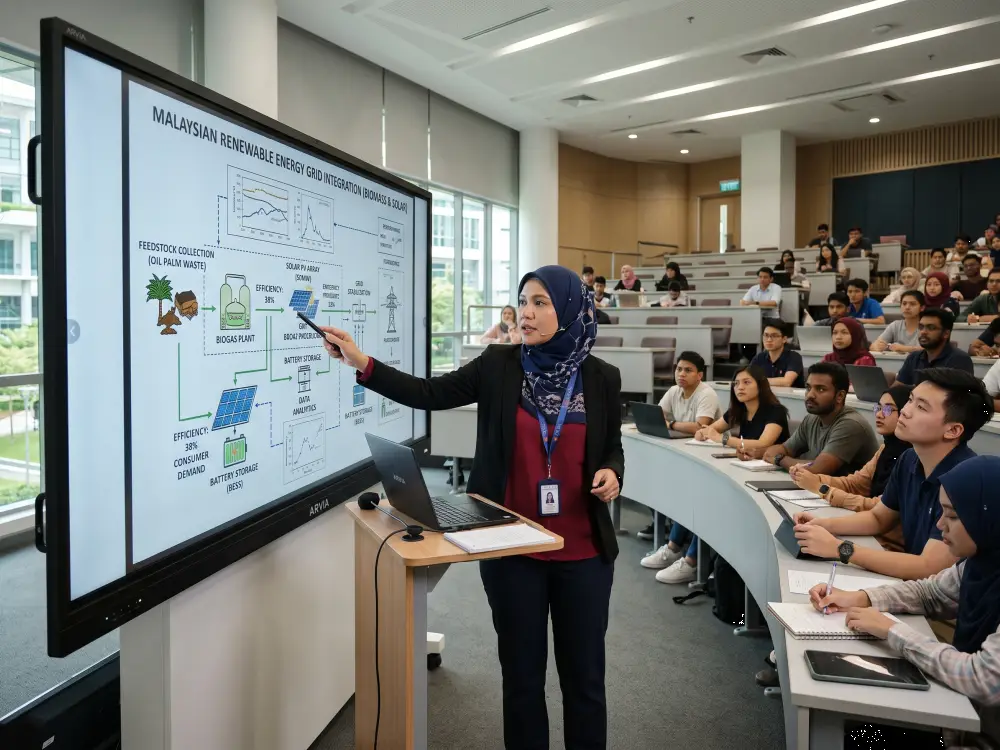
The fundamental pedagogical challenge in any large lecture hall is engagement. Students whose attention is not captured in the first few minutes of a lecture are lost — and recovering their focus is difficult regardless of how important the content is. A smartboard gives lecturers the tools to deliver content in formats that consistently command student attention.
Live annotations over slides, embedded video demonstrations, interactive diagrams that respond to touch, and real-time polling that requires every student to respond simultaneously — these are the tools that distinguish an engaging lecture from a passive one, and every one of them is native to the smartboard platform.
Tool 2: Supporting Hybrid Lectures Without Additional Hardware
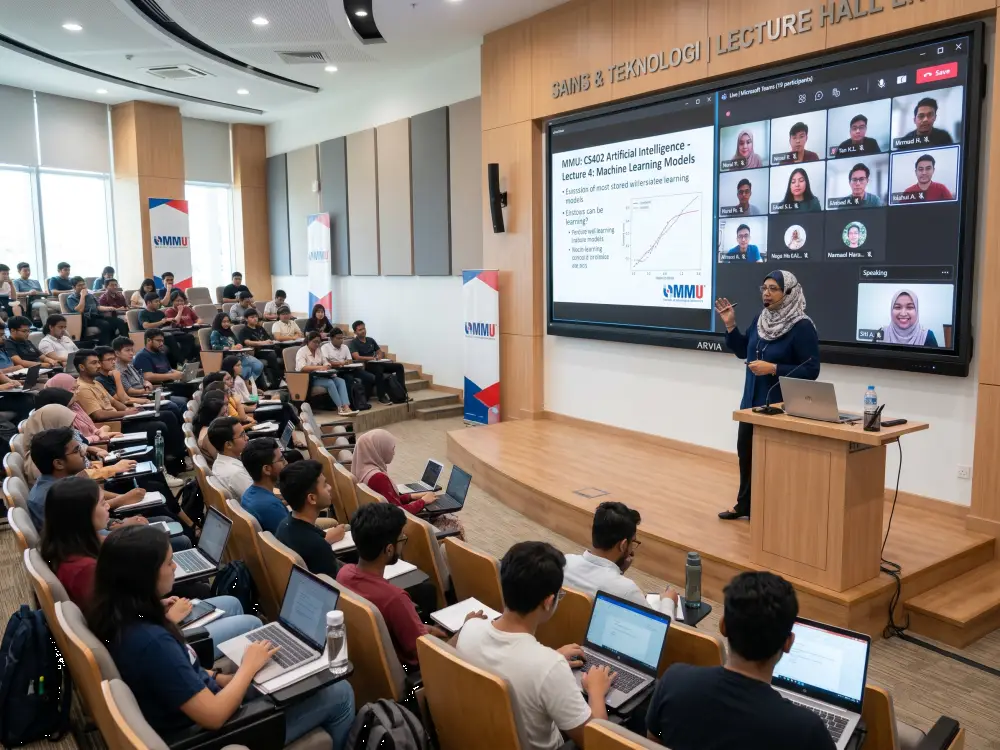
The expectation that universities can deliver consistent quality to both in-room and remote students simultaneously has become standard in Malaysian higher education. A smartboard with built-in AI camera and microphone array enables lecturers to run hybrid sessions that genuinely serve both audiences — without requiring a separate AV team, a dedicated video conferencing rig, or complex pre-session setup procedures.
The AI camera tracks and frames the lecturer automatically as they move across the front of the lecture hall, while the microphone array captures clear audio from any position. Remote students experience the lecture with the same quality of audio and visual access as those seated in the front row.
Tool 3: Making Research and Reference Materials Instantly Accessible
University lecturers regularly draw on a wide range of reference materials — journal articles, textbook diagrams, online databases, simulation software, and multimedia resources — to enrich their teaching. A smartboard running a full Android operating system with Google Play Store access makes all of these resources instantly accessible and displayable within the lecture, without requiring lecturers to switch between devices or set up separate projection equipment.
Content from a lecturer’s personal device can be mirrored wirelessly to the smartboard within seconds — enabling spontaneous access to additional materials that support the lecture content in real time.
Tool 4: Recording and Distributing Lecture Content Automatically
Malaysian universities are increasingly expected to provide recorded lecture content to students who miss sessions, require revision resources, or access education on flexible schedules. A smartboard simplifies this requirement significantly — sessions can be recorded directly on the device and uploaded to a learning management system at the conclusion of the lecture, with annotated content captured alongside the audio and video.
Tool 5: Enabling Student Participation at the Front of the Room
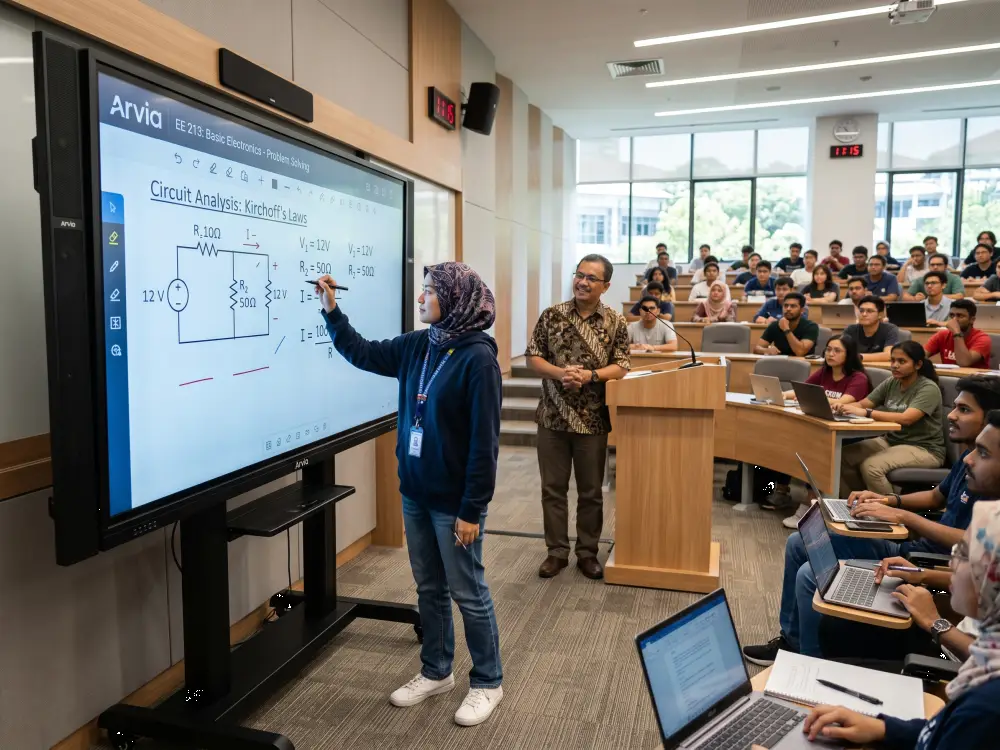
Active learning — where students engage directly with content rather than passively receiving it — is consistently associated with better learning outcomes in educational research. A smartboard invites students to the front of the lecture hall to interact directly with lesson content, solve problems on screen, annotate diagrams, and demonstrate their understanding in front of peers.
A Worthwhile Investment in the Future of Malaysian Education
The smartboard is not simply a display upgrade — it is a fundamental shift in how Malaysian universities deliver education. By enabling active learning, supporting hybrid accessibility, reducing lecturer preparation burden, and preparing students for a digitally connected professional future, it addresses multiple dimensions of the modern higher education challenge simultaneously. Institutions that equip their teaching spaces with quality interactive display technology today are building the foundation for a more engaged, more capable, and more future-ready graduate cohort — and that investment pays dividends that extend well beyond the technology itself.